Understanding Window Tint: What You Need to Know
What is Window Tint?
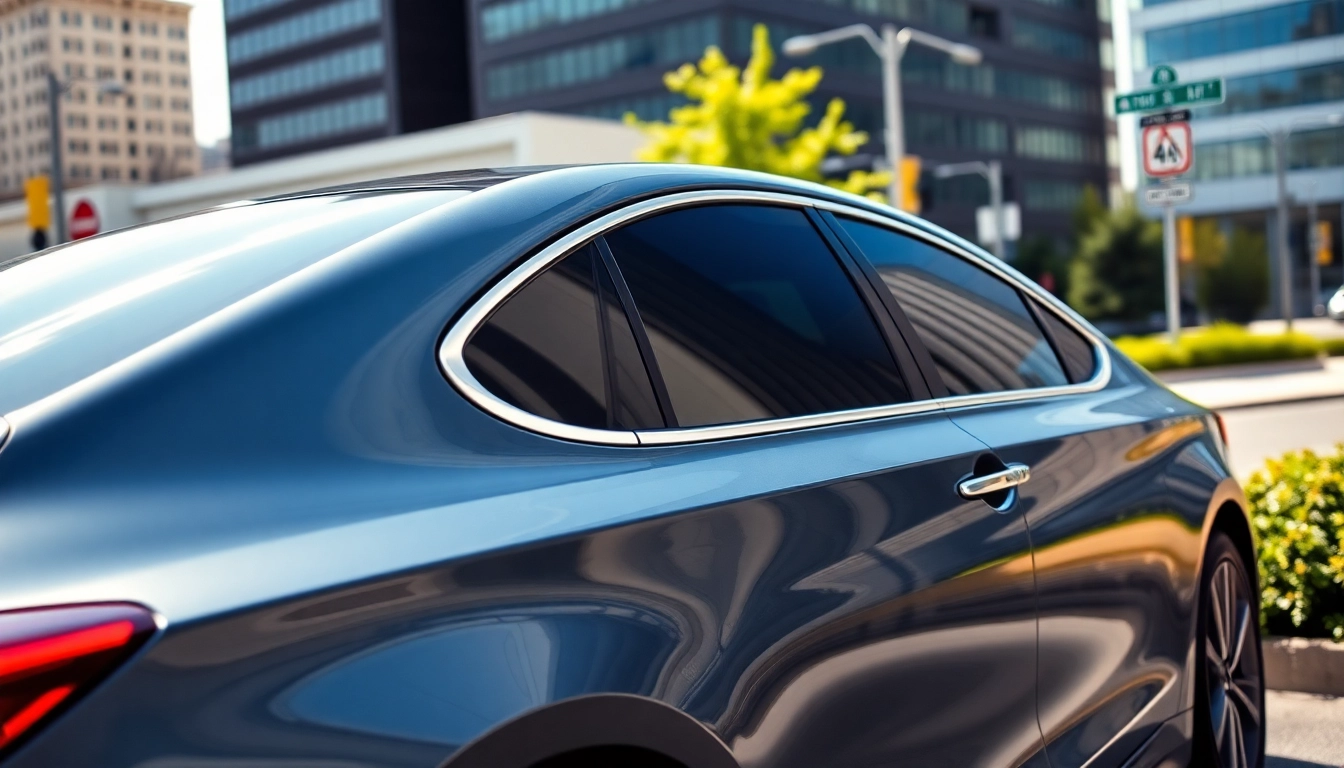
Window tint is a thin film that can be applied to the glass surfaces of vehicles or buildings to enhance aesthetics and functionality. This film is made from various materials, such as polyester, and is designed to reduce glare, block UV rays, and provide shade. The tinting process involves adhering the film to the interior or exterior of glass surfaces, allowing the glass to retain clarity while enhancing its properties. Whether for cars, homes, or offices, the best window tint Chattanooga TN can transform how light interacts with glass.
Benefits of Window Tint
Window tint comes with a multitude of benefits that cater to both comfort and protection. Firstly, one of the primary advantages of window tinting is heat reduction; it significantly decreases the amount of solar energy entering a vehicle or building. This not only keeps interiors cooler but also lessens the strain on air conditioning systems, resulting in energy savings.
Another critical benefit is UV protection. The film blocks up to 99% of harmful UV rays, which can lead to skin damage and fade upholstery over time. By applying window tint, one can preserve the interior quality of a car or room while ensuring the inhabitants' health and safety.
Privacy is another abundant advantage. Tinted windows offer a higher level of discretion, allowing occupants to enjoy their space without the prying eyes of passersby. Finally, window tint contributes to aesthetic appeal, giving vehicles and buildings a sleek, modern appearance.
Types of Window Tint
There are several types of window tint available, each designed for specific needs and preferences. The most common types include:
- Dyed Window Film: This type uses dyes to absorb solar heat and typically offers a non-reflective finish. It is often the most affordable option.
- Metalized Window Film: This film contains small metallic particles to reflect heat and reduce glare. While it enhances durability and scratch resistance, it can interfere with electronic signals.
- Ceramic Window Film: Known for its exceptional heat rejection properties, ceramic films contain no metals and provide UV protection without signal interference.
- Carbon Window Film: This type is a newer development in window film technology, providing effective UV protection and maintaining a matte finish that doesn’t fade over time.
Factors to Consider When Selecting Window Tint
Legal Regulations in Chattanooga
Before applying window tint to your vehicle or building, understanding local regulations is imperative. Chattanooga has specific laws regarding the amount of tint that can be applied to windows, particularly for vehicles. These laws dictate the permissible levels of light transmission for different windows. For instance, the front windshield may only allow a certain degree of tint, while the rear windows and back windshield can typically have darker tints. Failure to comply with local tinting laws can lead to fines and the necessity of removing the tint.
Types of Tint Materials
Choosing the right material is crucial for achieving the desired benefits from window tinting. Dyed films are an excellent choice for those seeking basic aesthetic improvements without much concern for heat reduction. In contrast, metalized films and ceramic films might be ideal for individuals prioritizing heat rejection and durability. When assessing materials, consider their longevity, effectiveness, and how they align with your needs for privacy, heat rejection, and UV protection.
Heat and UV Protection Levels
Evaluating the heat and UV protection levels of window tint is paramount for making an informed decision. Various types of window tints offer different levels of protection. Higher-quality tints can block between 99% and 99.9% of harmful UV rays and can significantly lower the amount of solar heat entering the space. When selecting a product, refer to its specifications for visible light transmission (VLT) and UV protection ratings to ensure you choose one that meets both your comfort and safety requirements.
Best Practices for Window Tint Application
Preparation Before Installation
Proper preparation is essential for a smooth window tint installation process. Begin by thoroughly cleaning the glass surfaces to remove dust, dirt, and grime, which can affect film adhesion. Ensure the environment is conducive to installation; working in a dust-free area minimizes the risk of particles becoming trapped under the film. Additionally, having all necessary tools—like a squeegee, measuring tape, and heat gun—on hand can streamline the application process.
DIY vs. Professional Installation
While some individuals may consider a DIY approach to window tint application, it’s worth weighing the pros and cons. DIY installations can save money but often lack the expertise necessary for optimal results. Mistakes during application can lead to bubbling, peeling, or misalignment, which may necessitate a professional redo anyway. Hiring professionals ensures proper installation, which typically comes with warranties and guarantees regarding the longevity and performance of the tint. Consider your skill level and the investment you’re willing to make when deciding.
Post-Installation Care
After successfully installing window tint, proper care is crucial to maintain its appearance and performance. It is generally recommended to wait at least 48 hours before cleaning the windows to allow the tint to adhere fully. To clean tinted windows, use a soft microfiber cloth and a gentle, ammonia-free cleaner, as harsh chemicals can damage the tint. Regular care will help preserve the film's integrity and appearance, ensuring it lasts for years.
Common Misconceptions about Window Tint
Debunking Myths
There are many misconceptions surrounding window tint that can deter people from considering it for their vehicles or homes. One common myth is that darker tints provide more UV protection. However, not all dark films block UV rays effectively. Instead, evaluate the technical specifications of the film rather than its darkness. Another myth is that installing window tint will cause increased heat buildup in vehicles, which is contrary to its primary function of reducing internal temperatures.
Understanding Visibility Factor
The visibility factor, or visible light transmission (VLT), indicates how much light can pass through tinted windows. Misunderstanding this factor can lead to confusion regarding safety and legality. A lower VLT percentage means the tint is darker, and too dark can hinder visibility, particularly at night, creating potential hazards. Familiarize yourself with VLT norms to ensure compliance with local regulations and safe driving conditions.
Durability and Lifespan of Window Tint
Another misconception is that all window tints have a short lifespan. In reality, high-quality films can last over a decade when applied correctly. Factors such as climate, maintenance, and exposure to sunlight can influence a tint's durability. Proper care and choosing reputable brands can ensure longevity and provide excellent performance throughout its lifespan.
FAQs about Window Tint in Chattanooga
How dark can I tint my car windows in Chattanooga?
In Chattanooga, legal limits for window tint vary by window type. The front windshield must allow a minimum of 70% VLT, while back windows can be darker. Always check local regulations before applying.
How long does window tint last?
Quality window tints can last between 5 to 15 years, depending on the material used, installation quality, and climate conditions. Regular care will extend the life of the tint.
Can I remove window tint myself?
While it's possible to remove window tint yourself, it can be challenging and may result in damage to the glass. Professional removal ensures clean glass without scratches or residue.
What are the privacy benefits of window tint?
Window tint offers enhanced privacy by reducing visibility from the outside. This is particularly beneficial for personal vehicles and home windows, allowing occupants to feel secure in their space.
Will window tint protect my interior?
Yes, window tint blocks a high percentage of harmful UV rays, which helps prevent the fading and damage of upholstery and interiors. This protection can significantly enhance the longevity of your vehicle or home's furnishings.